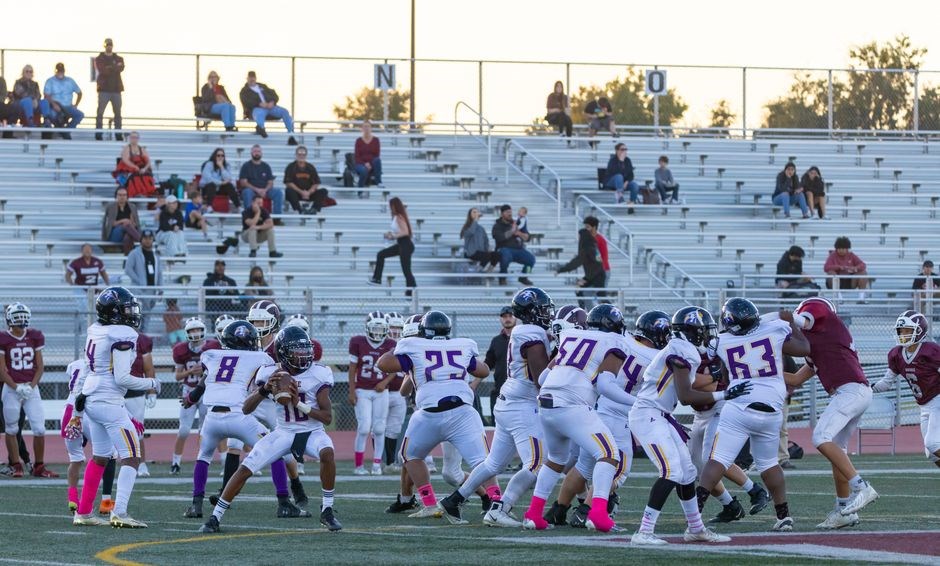
Overview and PDF Formats for Youth Football Defensive Playbooks
Youth playbooks are shared as PDFs‚ PowerPoint‚ or text files. Coaches download PDFs from NFL Youth Football sites purchase 50‑page guides. PDFs keep formatting‚ allow annotations‚ and work on tablets and PCs‚ ensuring consistent coaching!
Purpose of a Defensive Playbook
In youth football‚ a defensive playbook serves as the strategic backbone that translates coaching philosophy into on‑field action. It outlines the core defensive fronts‚ gap assignments‚ and coverage responsibilities that a team will run in practice and games. By presenting each play in a clear‚ diagrammatic format‚ the playbook ensures that every player—from the defensive line to the secondary—understands their specific role‚ the timing of their movements‚ and how they interact with teammates. This clarity reduces confusion during high‑pressure moments‚ allowing younger athletes to execute assignments with confidence. The playbook provides a framework for teaching fundamentals such as tackling technique‚ hand fighting‚ and pass‑rush schemes‚ while offering room for coaches to introduce concepts like zone blitzes or hybrid fronts as players mature. The playbook’s PDF format‚ often distributed through official youth football associations or commercial vendors‚ offers portability and consistency across devices‚ enabling coaches to review‚ annotate‚ and update plays easily. Ultimately‚ the purpose of a defensive playbook is to create a cohesive‚ repeatable system that empowers young players to defend effectively‚ adapt to offensive variations‚ and develop a shared understanding of the game’s defensive principles.
Coaches use the playbook to set defensive philosophy‚ fundamentals like gap integrity‚ awareness. It serves as a reference for game allowing the coaching staff to adjustments for opponents. By reviewing the PDF‚ players internalize the system‚ build confidence‚ and develop a shared mental model that translates into disciplined‚ cohesive defense on the field Practice daily. Stay sharp

Daily drills.
Common PDF Sources
Most youth defensive playbooks are distributed through a handful of reliable channels that combine accessibility with up‑to‑date strategy. The National Football League’s Youth Football program offers a library of PDF guides that are free to download; these include concise 12‑page overviews and more detailed 50‑page collections that cover 3‑4‚ 4‑4‚ and 3‑3‑5 fronts. Commercial vendors such as Coach’s Playbook and Pro Football Playbook provide premium PDFs that feature high‑resolution diagrams‚ drill videos‚ and editable templates for coaching staff to customize. Many local high‑school coaches also share their own playbooks via school district portals or secure cloud links‚ ensuring that the PDF format remains the standard for consistency across devices. Additionally‚ several online marketplaces sell downloadable PDFs that come with supplemental worksheets and practice plans‚ making it easier for teams to integrate the playbook into their weekly schedule. Because the PDF format preserves layout‚ color coding‚ and annotations‚ it remains the preferred medium for both printed handouts and tablet‑based coaching sessions. By sourcing playbooks from these established platforms‚ coaches can guarantee that their defensive schemes are both legally compliant and pedagogically sound. growth.
File Types and Compatibility
When coaches select a defensive playbook‚ the file format determines how easily it can be shared‚ annotated‚ and printed across the team’s technology stack. The most common format is the Portable Document Format (PDF)‚ which preserves layout‚ color coding‚ and embedded diagrams regardless of operating system. PDF files are universally readable on Windows‚ macOS‚ iOS‚ Android‚ and Linux devices‚ and most tablets support annotation tools that allow coaches to highlight assignments or add notes directly on the play diagram. Because PDFs can be compressed‚ a 50‑page playbook can be shared via email or cloud services without losing quality‚ making it ideal for remote practice sessions or for sending to assistant coaches who may not have a full desktop setup.
Another popular format is the PowerPoint (.pptx) file‚ which offers interactive features such as slide transitions‚ embedded videos‚ and the ability to animate player movements. While PowerPoint is excellent for live coaching sessions where a projector or screen is used‚ it is less convenient for quick reference on a mobile device unless the file is converted to PDF first. Coaches who prefer editable playbooks often use the Microsoft Word (.docx) format‚ which allows them to modify play names‚ adjust spacing‚ or insert new diagrams on the fly. However‚ Word documents can lose formatting when opened on non‑Microsoft platforms‚ so a PDF conversion is usually recommended before distribution.
For teams that rely heavily on digital playbooks‚ the Scouting Report format (.sr) and the proprietary Playbook Builder (.pb) files are also used. These formats support advanced features such as drill sequencing‚ player statistics‚ and automated playbook generation‚ but they require specific software to open and edit. Because of this‚ most youth programs stick to PDF or PowerPoint to keep the learning curve low for assistant coaches and volunteers who may not have access to specialized software.
Ultimately‚ the choice of file type should align with the coaching staff’s workflow‚ the devices available to players and coaches‚ and the need for easy sharing and annotation. By selecting a format that is both widely compatible and easy to edit‚ teams can ensure that the defensive playbook remains a living document that adapts to the evolving needs of the squad.
Teams often store PDFs in shared cloud folders‚ allowing instant updates that reflect last‑minute adjustments. Coaches can annotate directly on the PDF during practice‚ marking player responsibilities or noting key defensive concepts. When the game day arrives‚ printed copies are printed from the same master file‚ ensuring consistency across all coaching materials.
This approach guarantees that every player receives the same information‚ reducing confusion and improving defensive cohesion on the field. Keep up.!!
Accessibility and Licensing
Ensuring that a youth football defensive playbook is both accessible to every coach and compliant with copyright law is essential for a smooth season. Many online repositories offer the 4‑4 Defense Playbook for Youth Football as a free PDF download‚ while the 3‑3‑5 Defense for Youth Football is available in PowerPoint‚ PDF‚ or text formats. Because the files are distributed in standard formats‚ they can be opened on any device—Windows‚ macOS‚ iOS‚ Android‚ or Linux—without the need for proprietary software. For players who rely on screen readers‚ PDFs that include proper tagging and alt‑text for diagrams allow the entire playbook to be read aloud‚ making the material usable for visually impaired athletes or coaches who prefer auditory review.
Licensing is another critical factor. Most youth playbooks are released under Creative Commons licenses that permit non‑commercial use‚ sharing‚ and sometimes modification. Coaches should verify that the license allows distribution to assistant coaches and volunteers‚ and that it does not require attribution if the playbook is used in a public setting. When a playbook is sold‚ such as the 50‑page 3‑4 Defense Strategies by Mike Pettine‚ the purchaser typically receives a single‑user license that restricts printing to a limited number of copies and prohibits resale. Some PDFs are marked “no ratings yet‚” indicating that they are still under review for compliance‚ so teams should avoid using them until a clear license is confirmed.
To maintain compliance‚ teams can host licensed PDFs on a secure cloud folder‚ where access is granted only to authorized personnel. This not only protects the intellectual property but also ensures that updates—like a new 3‑5‑3 Defensive Playbook Overview—are propagated instantly to all coaches. By combining accessible file formats with clear licensing terms‚ youth programs can focus on teaching fundamentals without legal distractions.

Defensive Schemes Featured in Youth Playbook PDFs
4‑4‚ 3‑3‑5‚ 3‑5‑3‚ and 3‑4 schemes appear in youth PDFs. Coaches download free 4‑4 Defense Playbook‚ 3‑3‑5 PowerPoint‚ and 3‑5‑3 PDF. Mike Pettine’s 3‑4 guide offers 50 pages of strategy for young teams. These PDFs aid in customizing playbooks for team.!
3-4 Defense Strategies
The 3‑4 defense‚ popularized by NFL coaches like Mike Pettine‚ offers youth teams a balanced front that emphasizes speed and versatility. In a 3‑4 setup‚ three down linemen line up over the center and tackles‚ while four linebackers—two inside‚ two outside—provide run support and pass coverage. The linemen focus on gap control‚ using stunts and twists to create confusion for the offense. Inside linebackers read the ball‚ drop into zones‚ and blitz on short‑range plays‚ depending on the play call. This scheme allows coaches to disguise blitzes and coverage with minimal personnel changes‚ making it ideal for developing players’ football IQ. Youth playbooks often include 3‑4 drill videos‚ schematic diagrams‚ and practice plans. Coaches can download PDF versions that contain 50 pages of detailed play descriptions‚ player assignments‚ and situational adjustments. The PDF format preserves the layout of diagrams and ensures that every coach and player sees the same visual cues‚ which is critical for consistency across practices and games. Additionally‚ many 3‑4 playbooks are available in free PowerPoint or text formats‚ giving teams flexibility to print or project the material as needed. By mastering the 3‑4 defense‚ young athletes learn to read offensive formations‚ communicate effectively‚ and execute complex assignments—skills that translate to higher levels of play. Coaches can tailor the 3‑4 playbook to fit their roster‚ adjust alignments based on opponent tendencies. Practice drills emphasize gap integrity and hand usage to reinforce 3‑4. and focus on fundamentals daily.
4-4 Defense for Youth Teams
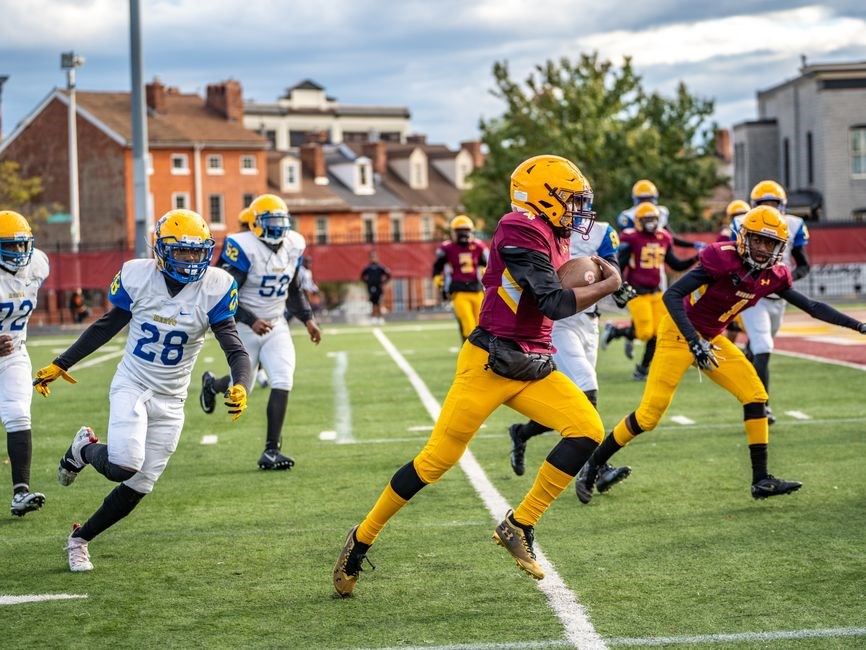
The 4‑4 defense is a straightforward front that places four linemen and four linebackers on the field‚ offering a balanced approach to stopping the run and covering short passes. Youth playbooks often provide a 12‑page PDF guide that outlines the basic 4‑4 alignment‚ gap assignments‚ and blitz packages. Coaches can download the PDF from NFL Youth Football resources‚ which includes diagrams‚ player responsibilities‚ and drill suggestions. The 4‑4 front is ideal for younger athletes because it allows them to focus on fundamentals—hand usage‚ gap integrity‚ and positioning—without the complexity of a 3‑4 scheme. In practice‚ teams run “gap‑to‑gap” drills‚ where linemen practice moving between assigned gaps‚ and linebackers run “cover‑to‑cover” routes to reinforce zone coverage. The PDF format preserves the schematic layout‚ ensuring that every player sees the same visual cues during practice and games. Many 4‑4 playbooks are also available in PowerPoint or text formats‚ giving coaches flexibility to project or print the material. By mastering the 4‑4 defense‚ players learn to read offensive formations‚ communicate on the field‚ and execute disciplined assignments. Coaches can adjust the 4‑4 front by shifting the line of scrimmage or adding a “double‑team” on the ball‑carrier‚ all of which are detailed in the PDF’s play‑by‑play descriptions. The 4‑4 scheme’s emphasis on speed and teamwork makes it a valuable tool for developing young athletes’ defensive skills and football IQ.
3-3-5 Defense Overview
The 3‑3‑5 scheme is a front that blends a three‑down lineman core with three linebackers and five defensive backs and. Youth playbooks typically present a 15‑page PDF that includes schematic diagrams‚ gap‑to‑gap responsibilities‚ and coverage assignments. The PDF format preserves the visual layout‚ making it easier for coaches to project the front on a screen and for players to reference the same diagram during practice. In the 3‑3‑5‚ the three down linemen focus on controlling the line of scrimmage‚ while the three linebackers read the play and either drop into zone or rush the passer. The five defensive backs are split into two safeties and three cornerbacks‚ allowing for a “nickel” feel that can shift into a “dime” look by moving a linebacker into the secondary. Coaches often use the PDF to illustrate “gap‑to‑gap” drills‚ where linemen practice moving between gaps‚ and “cover‑to‑cover” drills‚ where linebackers run zone routes to reinforce coverage skills. This ensures that young athletes learn read offensive maintain gap and integrity communicate effectively! By mastering the 3‑3‑5‚ players develop a deeper understanding of defensive concepts‚ improving their ability to adapt to various offensive formations and increasing overall team performance;
The PDF also includes a quick‑reference cheat sheet with key terms and a glossary‚ aiding new coaches today. The PDF also offers a printable version for coaches to hand out during practice‚ ensuring consistency across the team.
This playbook equips teams to compete effectively and win games.
3-5-3 Defensive Playbook Details
The 3‑5‑3 defensive playbook PDF is a concise 20‑page guide for youth teams. It starts with a schematic of the three‑down‑lineman front‚ followed by five linebackers and three defensive backs. Each section explains gap responsibilities for linemen‚ read‑and‑react assignments for linebackers‚ and zone coverage maps for the secondary. The PDF includes drill charts for “gap‑to‑gap” movement‚ “cover‑to‑cover” routes‚ and “blitz‑to‑blitz” timing. Coaches can use printable pages during practice‚ while the digital file allows quick annotation on tablets. By mastering the 3‑5‑3‚ teams gain flexibility against run‑heavy and pass‑heavy offenses‚ allowing a linebacker to shift into the secondary for nickel or dime looks. It also includes printable drill sheets. This resource equips youth squads to execute a balanced defense that can adapt to any offensive scheme!!
Fronts are broken into “A‑gap‚” “B‑gap‚” and “C‑gap” assignments for the three linemen. Linebackers line up in “inside‚” “middle‚” and “outside” positions‚ each tasked with reading the ball and either dropping into zone or rushing the passer. The outside linebackers often serve as hybrid “edge rushers‚” while the inside linebacker directs coverage and adjusts gaps on the fly. Defensive backs split into a free safety‚ a strong safety‚ and three cornerbacks; the free safety covers deep zones‚ the strong safety supports run defense‚ and cornerbacks handle man coverage on the outside. Drills such as “gap‑to‑gap” shuffles‚ “cover‑to‑cover” route runs‚ and “blitz‑to‑blitz” timing exercises reinforce these concepts. Coaches can use the PDF’s printable drill sheets for focused practice‚ while the digital version allows real‑time updates during game planning. By mastering the 3‑5‑3‚ teams gain flexibility and can adapt to any offensive scheme.

Structure and Application of the Playbook PDF
Fronts‚ alignments‚ gap assignments‚ pass coverage‚ run support‚ teaching‚ and in‑game adjustments are mapped in the PDF. Coaches use diagrams‚ drill sheets‚ and annotations to train players and tweak plays on the fly. Practice drills reinforce concepts. daily.

Fronts‚ Alignments‚ and Gap Assignments
In a youth defensive playbook PDF‚ the “fronts” section outlines base formations—3‑4‚ 4‑4‚ 3‑3‑5‚ or 3‑5‑3—showing how linemen and linebackers line up over the offensive line. Each front diagram labels defensive line positions (nose tackle‚ defensive ends) and linebacker spots (inside‚ outside‚ middle). The PDF then assigns specific “gap” responsibilities: A‑gap‚ B‑gap‚ C‑gap‚ and D‑gap‚ indicating which defender must control the space between offensive tackles‚ guards‚ or the center. Coaches use these assignments to teach players how to read the snap count‚ maintain gap integrity‚ and avoid over‑commitment. The playbook often includes color‑coded arrows and annotations that highlight primary and secondary gap responsibilities for each player. By overlaying the front diagram with a gap chart‚ the PDF allows coaches to quickly reference which defender covers which gap during practice drills. This visual mapping is essential for building a solid run‑support foundation‚ ensuring that every player knows where to position themselves relative to the ball carrier and the offensive line. The PDF also provides drill suggestions that reinforce gap integrity‚ such as “gap‑to‑gap” blocking drills and “gap‑to‑gap” pursuit drills‚ enabling players to practice maintaining their assigned gaps under pressure. In addition‚ the playbook includes a section on “gap‑to‑gap” communication‚ where the defensive captain calls out gap assignments pre‑snap to keep the line cohesive. This systematic approach to fronts‚ alignments‚ and gap assignments helps youth teams develop disciplined‚ cohesive defensive units that can effectively counter a variety of offensive schemes. They also review film to reinforce concepts for performance. During drills‚ players should focus on gap integrity‚ ensuring they stay within assigned spaces and adjust quickly.
Pass Coverage and Run Support Techniques
Defensive playbooks for youth football emphasize a balance between pass coverage and run support. Coaches use the PDF to illustrate zone and man assignments‚ showing how linebackers‚ defensive backs‚ and linemen must shift to cover short‚ intermediate‚ and deep routes while staying disciplined against the run. The playbook includes diagrams that label coverage types—such as Cover 1‚ Cover 2‚ Cover 3‚ and Cover 4—alongside run‑stopping techniques like gap integrity‚ pursuit angles‚ and tackle fundamentals. Each diagram is paired with a brief description of the responsibilities for every position‚ ensuring that players understand how to read the offensive formation and react accordingly. For pass coverage‚ the PDF teaches concepts like “shifting to the ball‚” “reading the quarterback’s eyes‚” and “maintaining a tight zone line.” It also highlights the importance of communication‚ encouraging defenders to “call out” “gap” and “coverage” changes before the snap. In run support‚ the playbook stresses the need for defenders to “stay in their gap‚” “take the correct pursuit angle‚” and “break tackles” with proper hand placement. Drill suggestions are provided‚ such as “gap‑to‑gap pursuit drills‚” “zone‑to‑zone coverage drills‚” and “tackling fundamentals drills‚” which help players practice the mechanics described. By integrating these techniques into daily practice‚ coaches can create a cohesive unit that can adapt to both quick passes and power runs‚ ultimately improving overall defensive performance Build confidence
Teaching the Playbook to Players
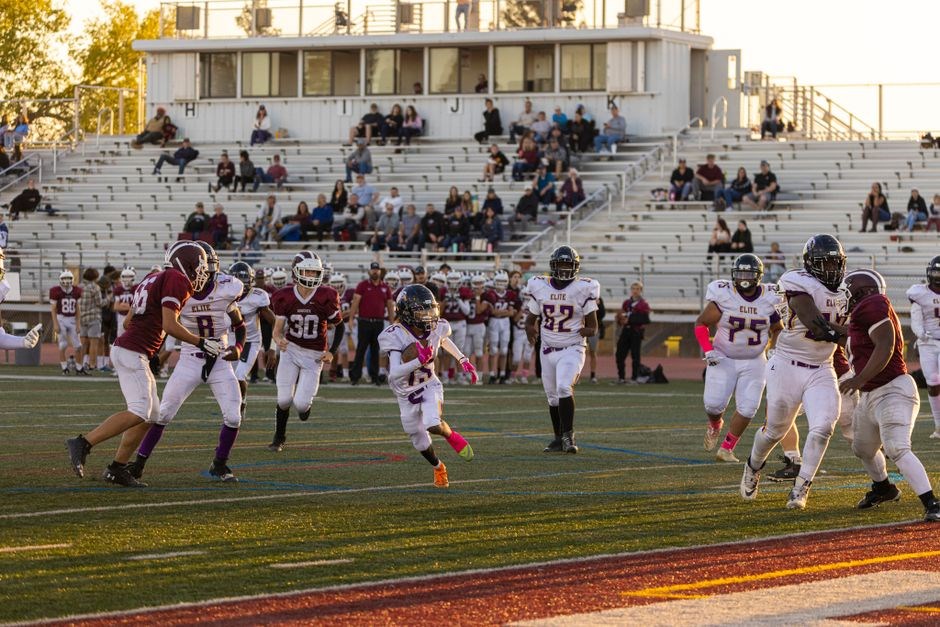
Coaches use the PDF as a visual guide‚ breaking down each play into bite‑size segments. First‚ they display the diagram on a screen or projector‚ labeling every gap‚ assignment‚ and responsibility. Players then receive a laminated copy of the same diagram to reference during drills. A step‑by‑step approach is common: start with the basic front‚ show how defenders line up‚ then move to the “pre‑snap” motion. Coaches emphasize the “why” behind each alignment‚ explaining how a linebacker’s gap assignment changes when a pass is expected versus a run. After the visual‚ the coach runs a live drill on the field‚ calling out the play’s name and having players execute the assignment in a controlled setting. Repetition is key; the coach repeats the drill until the players can perform the assignment without looking at the diagram. Video playback is also used—players watch a short clip of the drill‚ then discuss what went well and what needs improvement. The PDF’s “quick‑reference” section is highlighted during practice‚ allowing players to review the play on the sidelines between drills. Coaches also incorporate “mental” drills‚ such as having players visualize the play in their heads while standing in the line of scrimmage. Finally‚ the coach assigns a “play‑of‑the‑week” to reinforce learning‚ ensuring that the entire team has a chance to master the play in a game‑like scenario. This systematic method builds confidence and ensures that the entire team understands the defensive philosophy outlined in the PDF. Coaches review each play weekly to keep skills sharp adjust!.
Adjusting Plays During Games
Coaches must be agile‚ reading the offense’s rhythm and making on‑the‑fly adjustments that keep the defense ahead. A common tactic is to use a “hot‑calling” system: the defensive coordinator signals a change in gap responsibility or a shift in coverage with a simple hand gesture‚ while the PDF’s color‑coded sections help players instantly see the new assignment. During the first quarter‚ the defense might run a 4‑4 front‚ but if the offense repeatedly opts for a pistol formation‚ the coach can switch to a 3‑5‑3 scheme by reassigning a linebacker to a nickel back role. Players are trained to recognize these cues; the PDF’s “gap‑chart” is printed on a laminated board at the sideline‚ so every player can glance at it and adjust without hesitation. Timing is critical: the coach must call the change before the snap‚ giving the defense a full second to shift. Coaches often practice “pre‑snap” adjustments in drills‚ reinforcing the idea that the PDF is not just a static playbook but a dynamic play‑calling tool. When the offense shows a tendency to run a two‑back set‚ the PDF’s “gap‑assignment” column is used to instruct the defensive line to collapse the B gap‚ forcing the ball carrier into a contested zone. The PDF also includes a “coverage map” that can be flipped to a “man” or “zone” overlay‚ allowing the coach to alter pass coverage on the fly. By integrating these adjustments into the game plan‚ coaches ensure that the defense remains flexible‚ responsive‚ and capable of countering any offensive strategy. They also use the PDF’s quick‑reference notes to adjust timing during plays!!